
Description
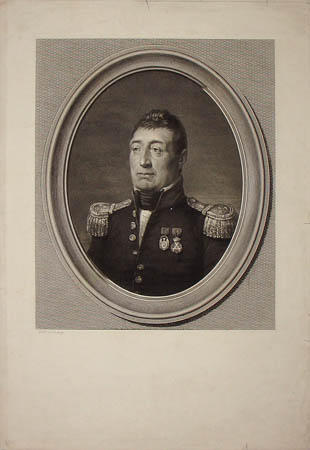
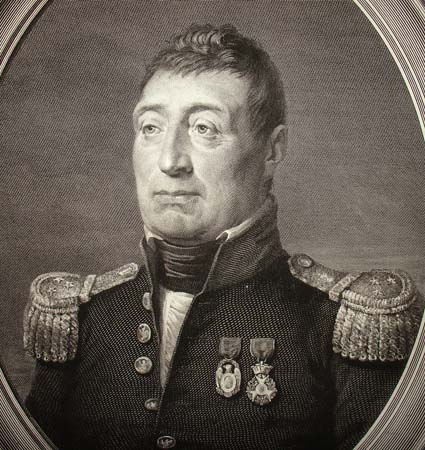
At the beginning of the American Revolution, Lafayette left France and joined George Washington’s army, where he was appointed a major general and fought in Valley Forge and Yorktown. He also negotiated for French aid to the colonists. These achievements won him enduring popularity in America for the rest of his life as a popular symbol of the bond between France and the United States. Returning to France in 1782, Lafayette was an active French political figure and military leader in the ensuing years. He also designed the red, white and blue French flag, which remains in use. Lafayette led the French army in a war with Austria, where he was captured and imprisoned, then liberated by Napoleon. He returned to France in 1799. During the French Restoration, Lafayette was a member of the chamber of deputies. He remained highly regarded and influential in French governmental affairs.
Amédée Felix Barthélémy Geille was a French engraver. He produced etchings and engravings, including ones after Raphael and French masters of the 17th and 18th centuries.
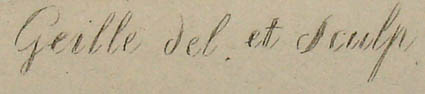
Inscription lower left: “Geille del. et sculp.”
Condition: Generally fine, professionally lightly cleaned and deacidified, now with only faint light toning, wear, soft creases, and few short marginal tears restored verso.
References:
Bénézit, E. Dictionnaire critique et documentaire des Peintres, Sculpteurs, Dessinateurs et Graveurs. France: Librairie Gründ, 1966. Vol. 4, p. 194.
“Marquis de Lafayette Collections – Print Collection 2.” LafayetteCollege. http://ww2.lafayette.edu/~library/special/marquis/MarquisFindAids/printcollection2.htm#X (24 August 2007).
NYPL Digital Library. “Image ID: 422199.” http://digitalgallery.nypl.org/nypldigital/id?422199 (15 May 2009).


